Why Diaper Bag Organization Matters More Than Packing
Organizing a diaper bag isn’t about what you pack — it’s about how everything is arranged so you can find a pacifier in the dark, keep clean onesies away from used wipes, and avoid the “bottomless pit” syndrome.
These diaper bag organization tips are built around a simple 4-Zone system we’ve refined through real-world use. By organizing diapers, wipes, feeding items, and emergency supplies into dedicated zones, your bag stays functional, clean, and stress-free for every outing.

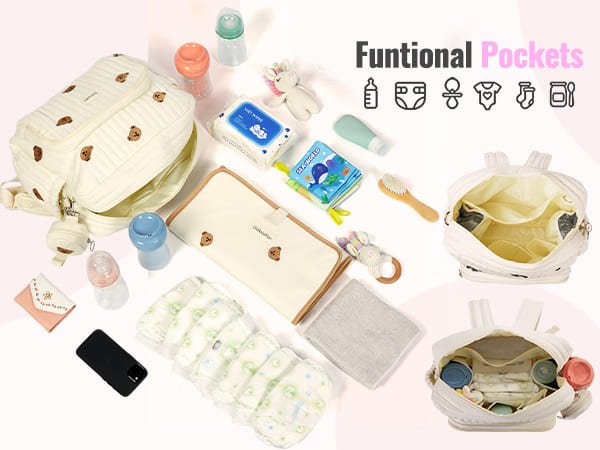
Example of a diaper bag organized by zones, with diapering, feeding, emergency, and parent essentials kept separate for fast access.
This checklist supports the 4-Zone organization system. Each item is grouped by purpose so your diaper bag stays organized, hygienic, and easy to navigate.
-
☐ Diapers (1 per hour out + 1 extra)
-
☐ Travel wipes (unscented)
-
☐ Portable changing pad
-
☐ Diaper cream (travel size)
-
☐ Hand sanitizer (60%+ alcohol)
-
☐ Wet/dry bag for soiled clothes
-
☐ 1–2 full outfit changes
-
☐ Feeding supplies (bottle/snacks, age-dependent)
-
☐ Burp cloth or bib
-
☐ Parent essentials (phone, keys, wallet)

This checklist handles most outings. The next sections explain how to organize each zone so essentials stay visible and easy to access without digging through your bag.
How to Organize a Diaper Bag So It’s Actually Usable
Most diaper bags fail because everything is packed together. When diapers, food, clean clothes, and dirty items mix, the bag becomes disorganized fast — and unhygienic.
This system focuses on organizing items by function and access, not stuffing everything into random pockets.
The 4-Zone Diaper Bag Organization System
Feeding Zone
This zone includes bottles, snacks, formula containers, bibs, and burp cloths. Keeping feeding items together makes it easier to prep meals quickly and reduces contamination risk. The American Academy of Pediatrics recommends separating feeding tools from diapering supplies whenever possible to limit germ spread during outings.
Change Zone
This is your everyday diaper change setup. Diapers, wipes, diaper cream, and the changing pad should live together near the main zipper so everything you need is available at once. Grouping these items matters when you’re changing a baby outside the home; preparing all diapering supplies ahead of time aligns with guidance on safe and healthy diaper changing habits outlined by the CDC. When everything needed for a routine change is kept together, you can handle quick changes without unpacking the entire bag.
Blowout Kit (Critical but Often Missed)
A blowout kit is a sealed emergency kit used only when something goes wrong. It should include extra clothes, wipes, and a wet/dry bag stored separately from your everyday supplies. This matters because prolonged contact with moisture and stool can quickly irritate a baby’s skin; pediatric guidance from the American Academy of Pediatrics notes that frequent diaper changes and protective measures help reduce the risk of diaper rash, especially when babies are changed outside the home. Parents who skip this step often end up cutting trips short because they have nowhere to contain dirty clothes or no clean backup outfit.
Parent Survival Zone
This zone holds your essentials — phone, wallet, keys, sanitizer, lip balm. Keeping these items separate means you’re not reaching past diapers to answer a call or clean your hands. A calmer parent handles chaos better.
How Many Diapers Should You Pack?
A reliable rule is one diaper per hour out, plus one extra.
For a two-hour errand, that’s three diapers. For a half-day outing, plan for five or six. This prevents under-packing without turning your bag into dead weight.
Packing a Diaper Bag for a Newborn vs. a Toddler
What to Pack for a Newborn
Newborns need frequent feeding and diaper changes, which means more redundancy. In addition to the core checklist, newborn bags should include extra burp cloths, pacifier backups, and feeding supplies every two to three hours. Two outfit changes are strongly recommended because blowouts are common at this stage.
What Changes When Packing for a Toddler
Toddlers need fewer diapers but more flexibility. Snacks replace bottles, and entertainment becomes important. Most parents can reduce outfit changes to one and add a small toy or book instead. If potty training, training pants or spare underwear should replace diapers gradually.
Quick Comparison: What Goes in the Bag by Age
| Item Category | Newborn | Toddler |
|---|---|---|
| Diapers | Higher quantity | Fewer, age-dependent |
| Outfit changes | 2 full outfits | 1 outfit |
| Feeding supplies | Bottles/formula | Snacks/sippy cup |
| Burp cloths | Yes | Optional |
| Entertainment | Not needed | Toy or small book |
| Blowout kit | Essential | Still recommended |
This table helps parents avoid overpacking while staying prepared.
How to Keep a Diaper Bag Clean and Sanitary
Diaper bags collect bacteria faster than most parents realize. According to guidance from the CDC, proper hand hygiene and surface separation are key when handling diapers away from home.
Choose bags with wipeable interiors, remove wet or dirty items immediately after outings, and clean the inside of the bag weekly using mild soap and water. Feeding items should never be stored in the same compartment as diapers or wipes.
Pro Tips Parents Usually Learn the Hard Way
Always keep your blowout kit sealed until it’s needed. Restock your diaper bag immediately after every outing instead of assuming items are still there. Store diapers vertically so you can count them at a glance. Assign each zone a specific section or pouch so you’re not repacking the entire bag every time.
These habits turn diaper bag packing into a system instead of a chore.
Why Bag Structure Matters More Than Bag Size
A structured diaper bag makes zone-based packing possible. Bags with multiple compartments and wipeable linings support clean separation and faster access. Many parents prefer backpack styles for hands-free use, such as the
GoBabyMart Diaper Backpack
while others prefer compact options like the
GoBabyMart Everyday Diaper Tote
for shorter trips.
The bag should support your system — not force you to improvise.
Related Reading for Different Routines
If you’re packing for childcare, our guide on
daycare bag checklists by age
covers provider-specific requirements. For lighter trips, see our breakdown of
what belongs in an everyday diaper bag
Frequently Asked Questions
How many diapers should I pack in a diaper bag?
Pack one diaper per hour you’ll be out, plus one extra to cover delays or accidents.
What is a blowout kit in a diaper bag?
A blowout kit is a sealed set of backup clothes, wipes, and a wet bag used only for major diaper accidents.
How do you keep a diaper bag clean?
Separate feeding and diapering items, remove wet items immediately, and clean the bag interior weekly.
What should be in a diaper bag for a newborn?
Diapers, wipes, frequent feeding supplies, burp cloths, pacifiers, and at least two outfit changes.
How often should you restock a diaper bag?
After every outing. Never assume supplies are still inside.
Author Box
Written by GoBabyMart Editorial Team
Last updated: March 2025
Editorial Responsibility & Sources
Written by the GoBabyMart Editorial Team, a group of parents and product specialists focused on practical organization systems for everyday parenting. and reviewed against current pediatric and hygiene guidance. Sources referenced include the American Academy of Pediatrics and the Centers for Disease Control and Prevention. All recommendations reflect real-world use and current (2024–2025) safety standards.


