
Daycare Bag Checklist by Age (Infant–Preschool)
What to Pack for Daycare: A Quick Checklist for Busy Parents
Packing a daycare bag should not feel like a daily test of memory or judgment. Yet for many parents, especially in the first year, it often does.
Daycare needs change quickly as children grow. What an infant requires is very different from what a toddler or preschooler needs, and packing too much can be just as disruptive as packing too little.
This age-by-age daycare bag checklist is designed to help you pack with confidence, avoid overthinking, and align with what most licensed daycare centers expect parents to provide — starting with the right diaper bag.

Quick Daycare Bag Checklist (1-Minute Skim)
Print-friendly: You can bookmark or print this checklist for quick reference.
If you’re short on time, this quick checklist covers the core daycare bag essentials by age. Use it as a fast reference, then scroll for details, quantities, and daycare-specific tips.
Infant (0–12 months)
-
Labeled bottles or breast milk
-
Burp cloths
-
Diapers and wipes
-
Diaper cream (with daycare authorization)
-
2–3 full outfit changes
-
Weather-appropriate layers
-
Comfort item (if allowed)
Toddler (1–3 years)
-
Diapers or training pants
-
1–2 outfit changes
-
Extra socks
-
Spill-proof water cup
-
Bib or smock
-
Lightweight jacket or hoodie
Preschooler (3–5 years)
-
1 spare outfit
-
Water bottle
-
Seasonal outerwear (jacket, hat)
-
Indoor shoes or slippers (if required)
Essentials for All Ages
-
Everything labeled with your child’s name
-
Pacifiers in a labeled case (if used)
-
Daycare paperwork or forms
-
Small reusable bag for soiled clothes
This checklist helps you pack quickly. The sections below explain what daycares usually expect, how often to restock, and what to leave at daycare versus bring home.
How This Daycare Bag Checklist Is Structured (And Why It Works)
Before diving into the lists, it helps to understand one guiding principle:
The Daycare-Ready Rule
Pack for realistic daily needs, not worst-case scenarios.
A daycare bag should support:
-
Comfort
-
Hygiene
-
Smooth transitions
—not act as a portable storage unit.
Daycares operate on routines, space limits, and safety rules. This checklist reflects that reality.
Infant Daycare Bag Checklist (0–12 Months)
What should I pack in a daycare bag for an infant?
An infant daycare bag should include feeding supplies, diapering essentials, and at least two full clothing changes, all clearly labeled.
Feeding Essentials
Infant feeding needs vary widely, so always follow your daycare’s written policy. Most licensed centers require:
-
Prepared bottles or breast milk (labeled with name and date)
-
Formula or breast milk storage containers
-
Burp cloths (if not provided)
According to the American Academy of Pediatrics, safe feeding practices include clearly labeled bottles and proper storage to prevent cross-contamination.
Diapering & Hygiene
Even if your daycare provides wipes or diapers, many still ask parents to send:
-
Diapers (daycare-requested quantity)
-
Wipes
-
Diaper cream with written consent
Labeling is not optional. Most centers will not apply unlabeled products.
Clothing & Comfort
Infants should always have:
-
2–3 full outfit changes
-
Weather-appropriate layers
-
Soft comfort item (if allowed)
Avoid clothing with strings, hoods, or unsafe fasteners, as these are commonly restricted by daycare licensing standards.
Toddler Daycare Bag Checklist (1–3 Years)
Do toddlers need diapers in their daycare bag?
Yes. Even during potty training, daycares typically require backup diapers or training pants.
Toddlers are more mobile, messy, and unpredictable. Their daycare bag should support independence without creating clutter.
Core Toddler Essentials
-
Diapers or training pants
-
Extra socks (often overlooked)
-
1–2 full outfit changes
-
Seasonal outerwear
Toddlers experience more spills, outdoor play, and sensory activities, making clothing backups essential.
Mealtime & Transition Items
Some daycares ask parents to provide:
-
Spill-proof water cup
-
Bib or smock
-
Small comfort item for nap time
Many parents find structured bags like the GoBabyMart Diaper Bag Backpack helpful for organizing toddler supplies without digging through loose items.

Potty Training Add-Ons
If your child is potty training:
-
Multiple underwear pairs
-
Plastic wet bag
-
Extra pants
Expect frequent restocking during this phase.
Preschool Daycare Bag Checklist (3–5 Years)
What should preschoolers bring to daycare?
Preschoolers usually need fewer items, but organization becomes more important.
Most daycares expect:
-
Spare clothes (1 set)
-
Water bottle
-
Seasonal jacket or hat
Encouraging Independence
Preschoolers benefit from knowing what’s in their bag. Simple layouts and easy-to-open compartments help children manage belongings with minimal staff assistance.
A lightweight tote like the GoBabyMart Everyday Tote Diaper Bag often works well at this stage.
What NOT to Pack
Preschool daycares typically prohibit:
-
Toys from home
-
Food not approved by the center
-
Personal electronics
Always check your daycare’s handbook before adding extras.
Daycare Bag Essentials by Age (Quick Comparison)
| Item Category | Infant | Toddler | Preschool |
|---|---|---|---|
| Diapers | Yes | Yes / Training | Rare |
| Clothing Changes | 2–3 | 1–2 | 1 |
| Feeding Supplies | Yes | Sometimes | No |
| Comfort Item | Optional | Often | Rare |
| Water Bottle | No | Yes | Yes |
What Does Daycare Provide vs Parents?
What do daycares usually provide?
Most licensed daycares provide:
-
Meals and snacks (age-dependent)
-
Nap mats or cribs
-
Basic cleaning supplies
According to the CDC, childcare centers must follow strict sanitation and storage standards, which influences what they allow parents to send.
What parents are usually responsible for
-
Diapers and wipes
-
Clothing changes
-
Special feeding items
-
Comfort items (if permitted)
If you are unsure, your daycare’s parent handbook is always the final authority.
How Often Should You Restock a Daycare Bag?
Most parents find success with this routine:
-
Infants: Daily check
-
Toddlers: Every 2–3 days
-
Preschoolers: Weekly check
Setting a recurring reminder reduces forgotten items and last-minute stress.
For additional organization strategies, see our guide on diaper bag organization tips and how parents streamline daily packing in our everyday diaper bag routine article.
Long-Tail Scenarios Parents Ask About
Daycare Bag for Part-Time Attendance
If your child attends daycare only a few days per week, pack fewer backups but check items before every drop-off.
Daycare Bag for Outdoor-Focused Schools
Nature-based or outdoor programs often require:
-
Extra socks
-
Weather-specific gear
-
Clearly labeled outerwear
Daycare Bag for Multiple Kids
Use color-coded labels and separate pouches to avoid mix-ups, especially when siblings attend the same center.
Frequently Asked Questions (FAQ)
How many outfits should I send to daycare?
Most daycares recommend 2–3 outfits for infants, 1–2 for toddlers, and 1 for preschoolers, adjusted for activity level and weather.
Should I leave the daycare bag there or bring it home daily?
Infant bags usually go home daily, while toddler and preschool bags often stay at daycare and are restocked as needed.
Do daycare bags need to be labeled?
Yes. Nearly all licensed daycares require every item to be labeled with the child’s name.
Can I pack toys in a daycare bag?
Most daycares discourage toys due to loss, conflict, and safety concerns unless explicitly allowed.
What size daycare bag works best?
Choose a bag that fits your child’s age and supplies comfortably without excess space that encourages overpacking.
Final Takeaway
A well-packed daycare bag supports your child’s comfort and your peace of mind. By adjusting what you pack as your child grows, you reduce daily friction and align with how daycare environments actually function.
Packing less—but smarter—is almost always the right answer.
Author Box
Written by: GoBabyMart Editorial Team
Last updated: December 17, 2025
Editorial Responsibility & Sources
This article is created and reviewed by the GoBabyMart editorial team using real parent experience, current daycare practices, and pediatric safety guidance. Content is reviewed for accuracy, clarity, and relevance and is informed by trusted authorities such as the American Academy of Pediatrics (AAP) and the Centers for Disease Control and Prevention (CDC).
Read more
Newborn Essentials (0–3 Months): The 27 Items You Actually Need (Plus What to Skip)
A clear, realistic guide to newborn essentials for the first 0–3 months, focused on what parents actually use day after day. This checklist breaks down sleep, feeding, diapering, clothing, and on-t...
Read more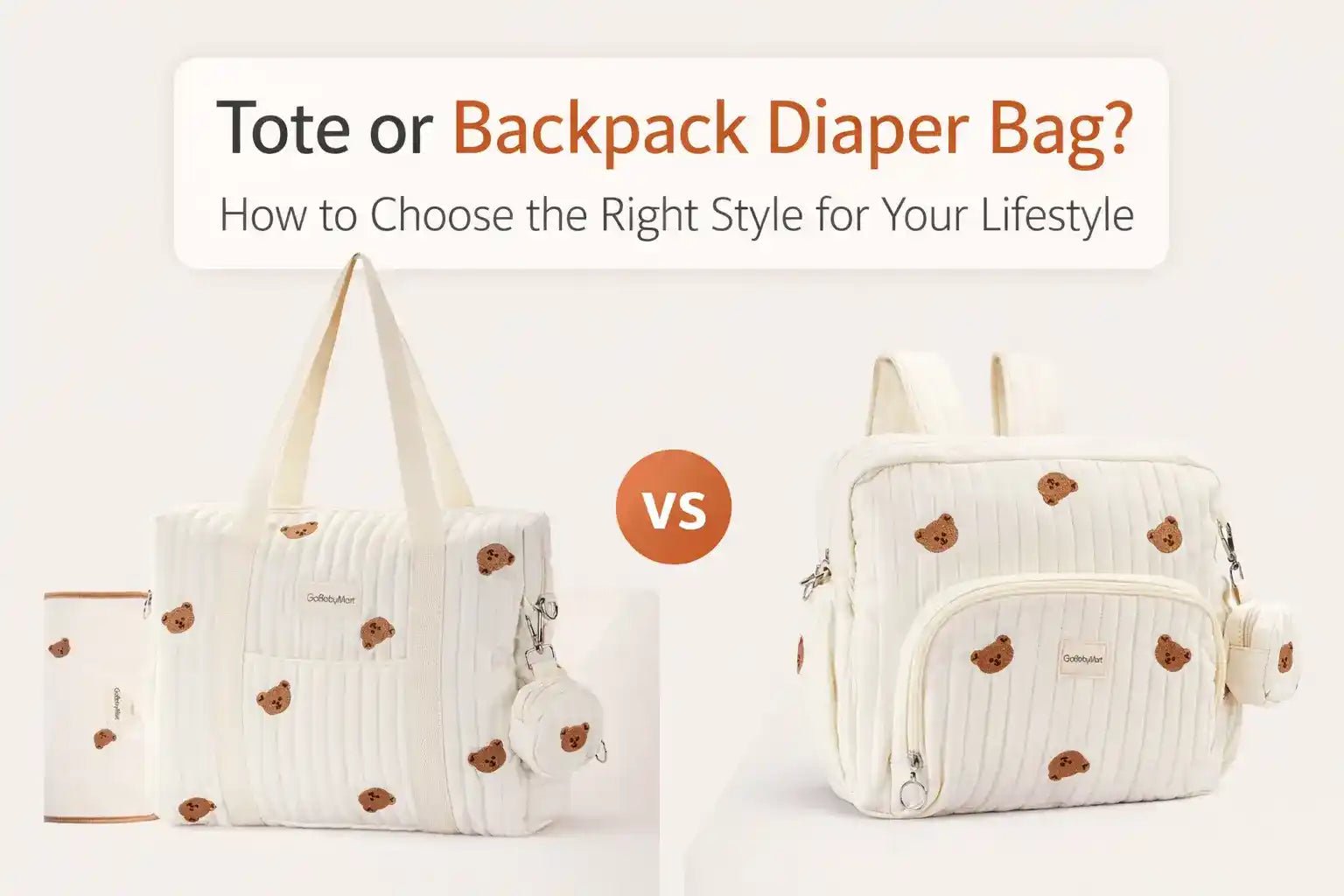
Tote or Backpack Diaper Bag? How to Choose the Right Style for Your Lifestyle
Choosing between a tote or backpack diaper bag depends on how you move through your day with a baby. Tote diaper bags are ideal for quick outings, daycare drop-offs, and parents who want fast, one-...
Read more